19 May 2026
Unpacking Retention Dynamics: How Layered Incentive Structures Shape Player Cycles in Britain's Mobile Gaming Sector
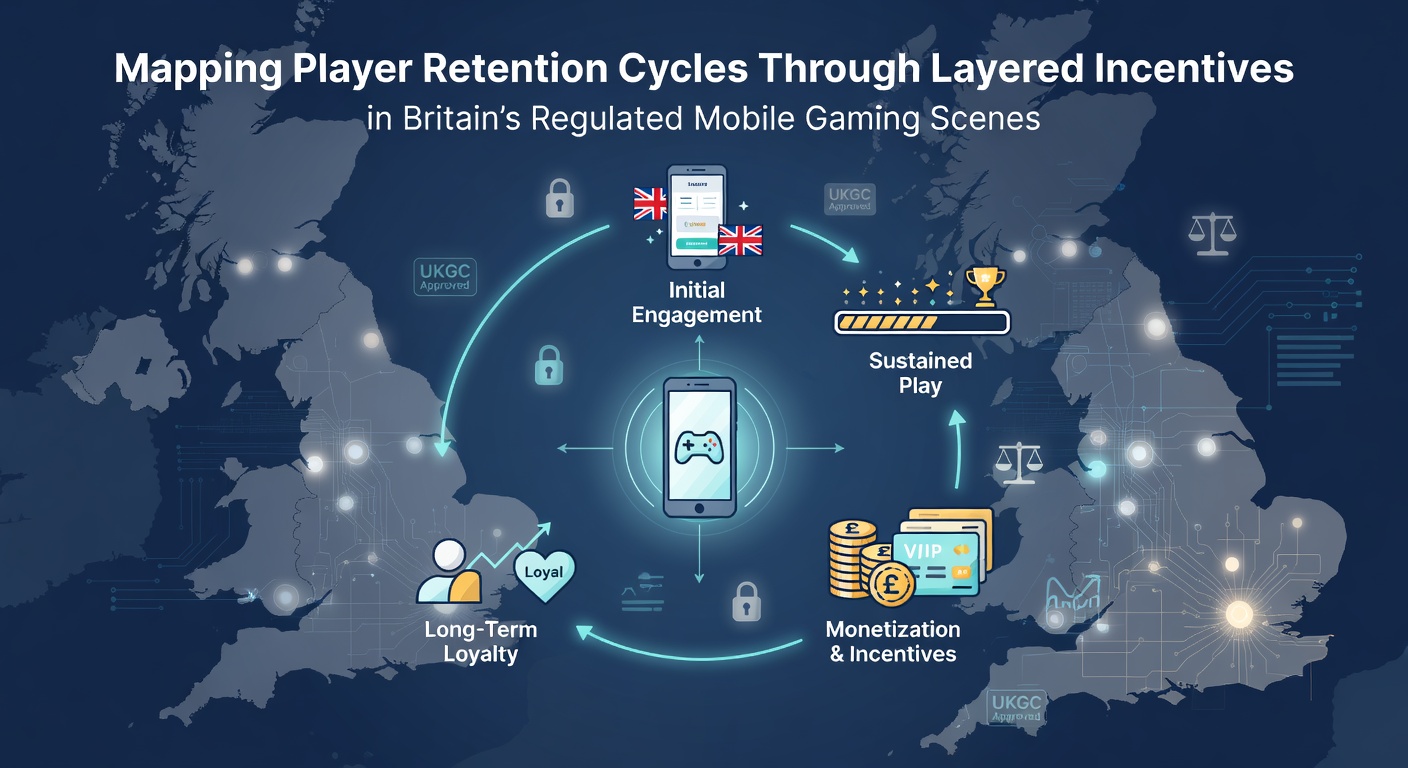
Operators across Britain's regulated mobile gaming sector continue to refine their approaches to player retention by mapping behavioral cycles against structured incentive layers that align with compliance standards, and data from industry analyses shows these strategies help maintain engagement without relying solely on initial acquisition tactics.
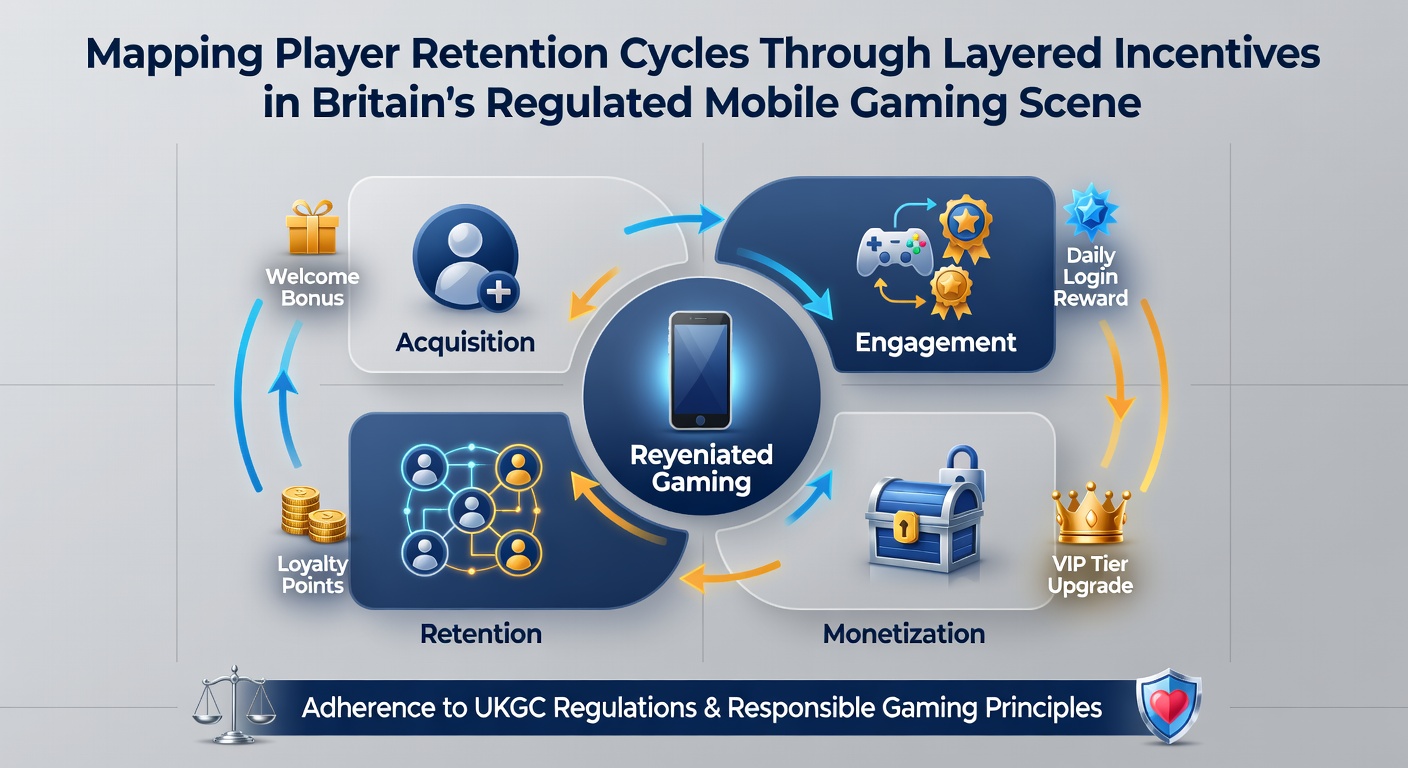
Retention cycles typically break down into distinct phases including early activation, sustained interaction, and long-term loyalty periods, while layered incentives build progressively from basic participation rewards to more complex milestone achievements that encourage repeated sessions over months rather than weeks.
Mapping the Core Phases of Player Engagement
Researchers examining mobile gaming patterns have identified how the first cycle often centers on account setup and initial gameplay exploration, after which operators introduce incentives tied to consistent logins and feature experimentation; this phase sets the foundation for subsequent layers that respond to observed activity levels tracked through anonymized analytics platforms.
Those who've studied retention data note that mid-cycle incentives frequently incorporate personalized challenges based on individual play histories, and such adjustments help transition players into deeper engagement without abrupt shifts that might disrupt natural behavior flows.
Layered Incentive Design in Practice
Layer one commonly focuses on accessibility features like tutorial completions and basic achievement unlocks, whereas layer two escalates to time-based participation goals that reward steady involvement across different game types available on licensed British platforms; this progression allows operators to respond directly to retention metrics gathered in real time.
Further layers introduce social and competitive elements, such as leaderboard placements or group challenges, which studies indicate strengthen community ties and extend session durations according to reports from the Australian Gambling Research Centre.
What's interesting here is how these structures adapt to regulatory requirements that emphasize responsible play, and operators integrate spending limits alongside incentive triggers to maintain balance throughout each cycle.
Data Insights from Recent Analyses
In May 2026 fresh figures released by European gaming trade groups revealed that platforms employing multi-tiered incentive mapping experienced measurable extensions in average player lifecycles compared to simpler models, and these outcomes emerged from aggregated data across multiple licensed operators serving British mobile users.
Observers note that cycle mapping tools now incorporate machine learning to predict drop-off points, enabling preemptive incentive adjustments that connect directly to user behavior patterns observed in previous months.
But here's the thing: successful implementations avoid uniform approaches and instead tailor layers to segment-specific data, such as distinguishing between casual explorers and dedicated regulars who respond differently to progression milestones.
Regulatory Context and Industry Standards
Britain's mobile gaming environment operates under frameworks that require clear disclosure of incentive terms, which encourages operators to design layers that prioritize transparency and fairness while still driving retention goals; this approach aligns with broader European standards highlighted in reports from the Canadian Centre for Gaming Research.
Those monitoring sector trends point out that integrated tracking systems help verify compliance during each phase of the retention cycle, reducing risks associated with overly aggressive engagement tactics.
Future Directions for Incentive Mapping
Industry organizations continue to explore refinements in how layered systems interact with emerging technologies like enhanced personalization algorithms, and early pilots suggest these developments could further optimize cycle durations across regulated platforms.
Experts tracking these shifts emphasize the value of ongoing data reviews that capture both quantitative metrics and qualitative feedback from player communities.
Conclusion
Overall the practice of mapping player retention cycles through layered incentives reflects a maturing approach within Britain's regulated mobile gaming scenes, where operators leverage structured progressions to support sustained participation while adhering to established compliance measures, and continued analysis from diverse research bodies will likely shape refinements in the years ahead.