14 Jul 2026
UK Government Launches Consultation Targeting Unlicensed Operator Sports Sponsorships
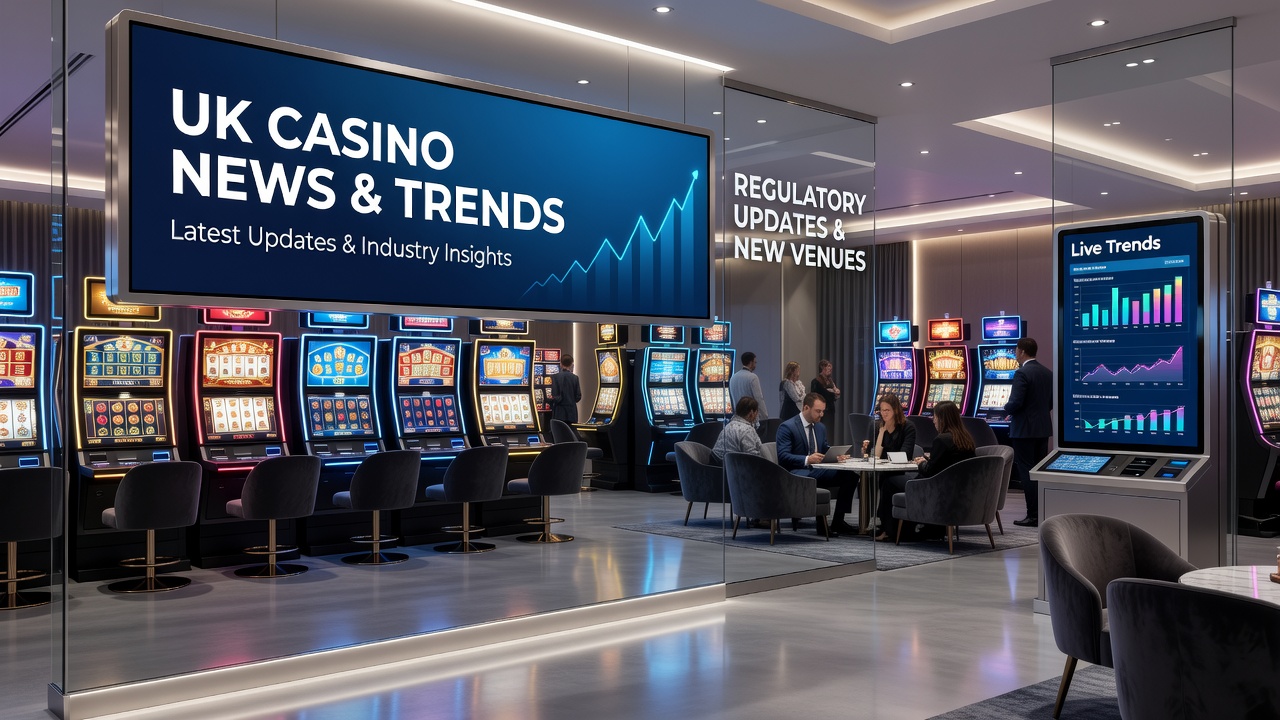 The UK government prepares to open a public consultation this week focused on prohibiting unlicensed gambling operators from securing sponsorship agreements with British sports teams and in particular Premier League football clubs. Plans address ongoing issues with offshore crypto casinos and similar entities that lack UK authorisation yet continue to seek visibility through high-profile deals. Observers note the timing follows repeated criticism over previous delays in similar regulatory steps. The consultation seeks to close gaps that have allowed certain operators to maintain exposure even after surrendering licences or operating without them from the outset.
Context Around Recent Sponsorship Arrangements
One prominent example involves the three-year sleeve sponsorship agreement between Everton FC and Stake.com. That operator had already surrendered its UK licence prior to finalising the deal. Reports indicate the arrangement moved forward despite earlier cautions issued by regulatory bodies. The sponsorship provides prominent branding on team kits and reaches a broad domestic audience through match broadcasts and merchandise.
Such arrangements raise documented concerns that fans encounter promotion of unregulated platforms. Clubs and their executives face potential exposure to liability when partnerships involve entities operating outside licensed frameworks. The upcoming consultation examines mechanisms to prevent these scenarios while maintaining clarity for all parties involved in sports marketing.
Details of the Proposed Consultation
The consultation document outlines options for legislative changes that would restrict sponsorship rights to operators holding valid UK licences. It covers both direct kit sponsorships and other forms of commercial partnerships common in football and other major sports. Officials plan to gather input from clubs, governing bodies, operators, and public health groups over the coming months.
Evidence presented in preparatory materials highlights patterns where unlicensed sites use sports visibility to reach UK audiences. Figures from international monitoring organisations show increased traffic to offshore platforms during major sporting events. The process aims to identify practical steps that reduce such reach without disrupting existing licensed arrangements.
Industry and Regulatory Perspectives
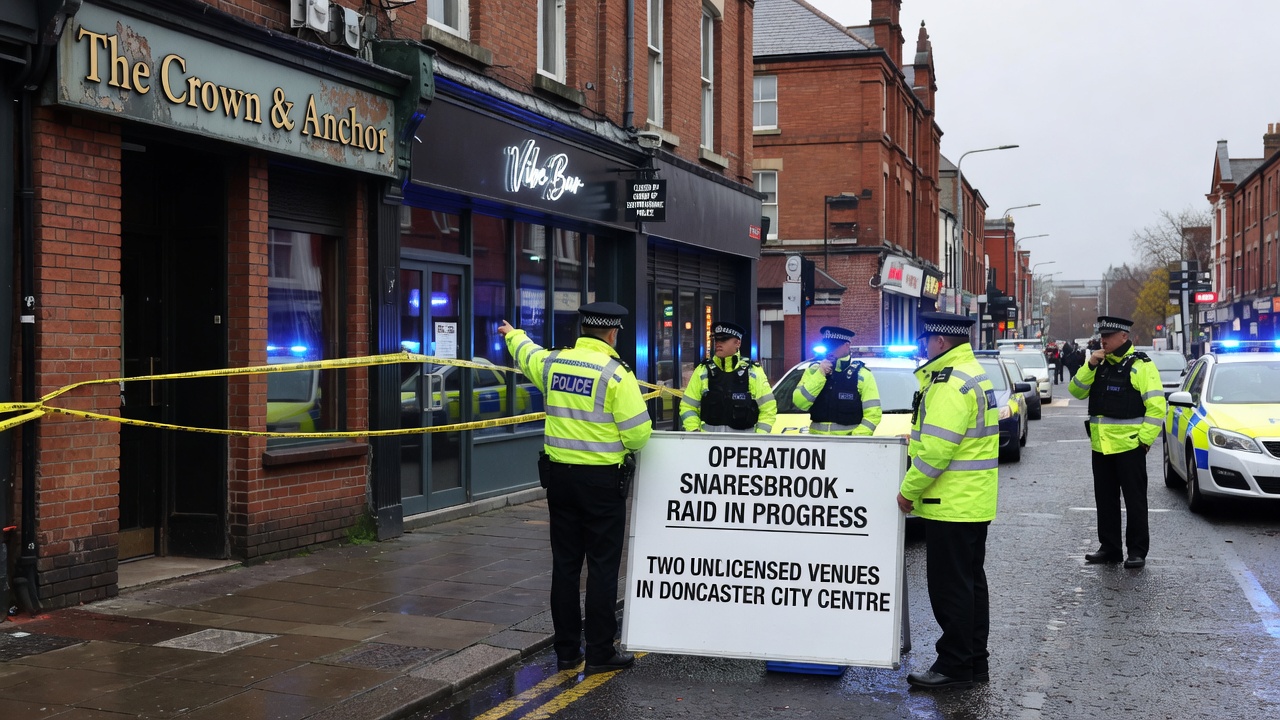
Industry associations including the Responsible Gambling Council have previously published analyses on sponsorship impacts across different jurisdictions. Those studies examine how visibility through sports affects player behaviour and public perception of gambling products. Similar work from the International Center for Responsible Gaming provides comparative data on regulatory approaches in multiple countries.
Premier League clubs receive reminders that sponsorship income forms a significant revenue stream. Any new restrictions would require careful transition planning to avoid abrupt financial impacts. The consultation period allows stakeholders to submit detailed responses on implementation timelines and alternative commercial models.
Potential Effects on Clubs and Executives
Legal experts observe that current arrangements sometimes leave clubs navigating grey areas when partners lose or never held licences. Clearer rules could reduce ambiguity around due diligence responsibilities. Executives may see updated compliance requirements when evaluating future commercial opportunities.
Broader sports governing bodies including those overseeing rugby and cricket have expressed interest in consistent standards across sectors. Alignment between football and other codes could streamline enforcement while maintaining competitive balance in sponsorship markets.
Timeline and Next Steps
The consultation opens during July 2026 with an expected duration of twelve weeks. Responses will feed into draft legislation scheduled for later parliamentary sessions. Interim guidance may emerge for clubs currently in active negotiations with potential partners.
Monitoring of existing deals continues alongside the policy development process. Officials track compliance trends and public feedback to refine proposals before formal introduction.
Conclusion
The consultation represents a targeted effort to align sponsorship practices with existing licensing frameworks across UK sports. It addresses specific cases such as the Everton arrangement while establishing clearer boundaries for future commercial relationships. Stakeholders across football, regulation, and public policy now prepare submissions that will shape the final approach.