28 May 2026
Tracing How Starter Incentives Shape Sustained Play Patterns in Mobile Slot and Live Dealer Environments
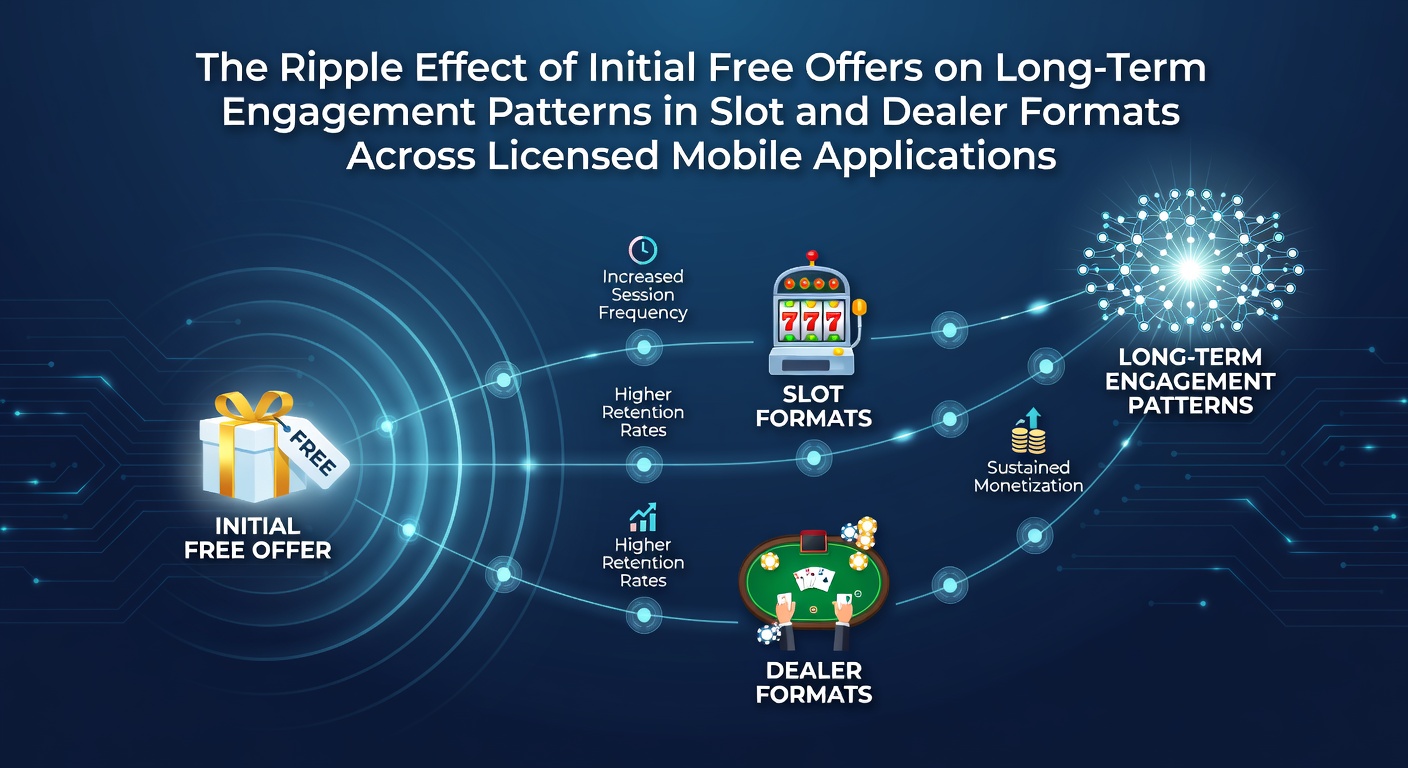
Initial free offers such as no-deposit spins and credit bundles appear in licensed mobile applications as entry points that draw users into slot and dealer formats, while data from multiple tracking studies show these incentives correlate with measurable shifts in session length and return frequency over subsequent months.
Operators structure these offers within regulatory frameworks that require clear terms, yet patterns emerge where players who activate an early bonus often extend their activity into paid sessions, particularly when the formats include progressive slot mechanics or interactive live tables.
Activation Rates and Early Behavior Shifts
Research from industry analytics firms indicates that roughly 35 percent of new accounts in licensed mobile platforms convert an initial free offer into at least one additional deposit within the first two weeks, and this conversion ties directly to the visibility of slot reels and dealer streams during the bonus round.
Those who engage with free spins on themed slot titles demonstrate higher click-through rates on follow-up promotions compared with users who begin solely through live dealer lobbies, according to aggregated platform logs examined across several European and North American markets.
Transition From Trial to Recurring Sessions
Longer observation windows reveal that users who receive starter credits maintain weekly log-ins at rates approximately 1.8 times higher than non-bonus cohorts during the first quarter after registration, while the gap narrows but persists into the six-month mark when measured against control groups.
Slot formats tend to sustain shorter, more frequent visits once the initial offer expires, whereas dealer tables encourage extended single sessions that incorporate chat features and multiple game switches within one sitting.
Divergent Paths in Slot Versus Dealer Formats
Slot engagement after an early incentive often follows a trajectory of incremental bet sizing, with players progressing from minimum-stake spins to mid-range wagers as familiarity grows, and platform data link this progression to the presence of loyalty multipliers that activate post-bonus.
Live dealer environments, by contrast, show retention driven more by social elements and real-time pacing, where users who start with a free-chip offer frequently return for scheduled tournaments or themed evenings rather than solitary play loops.
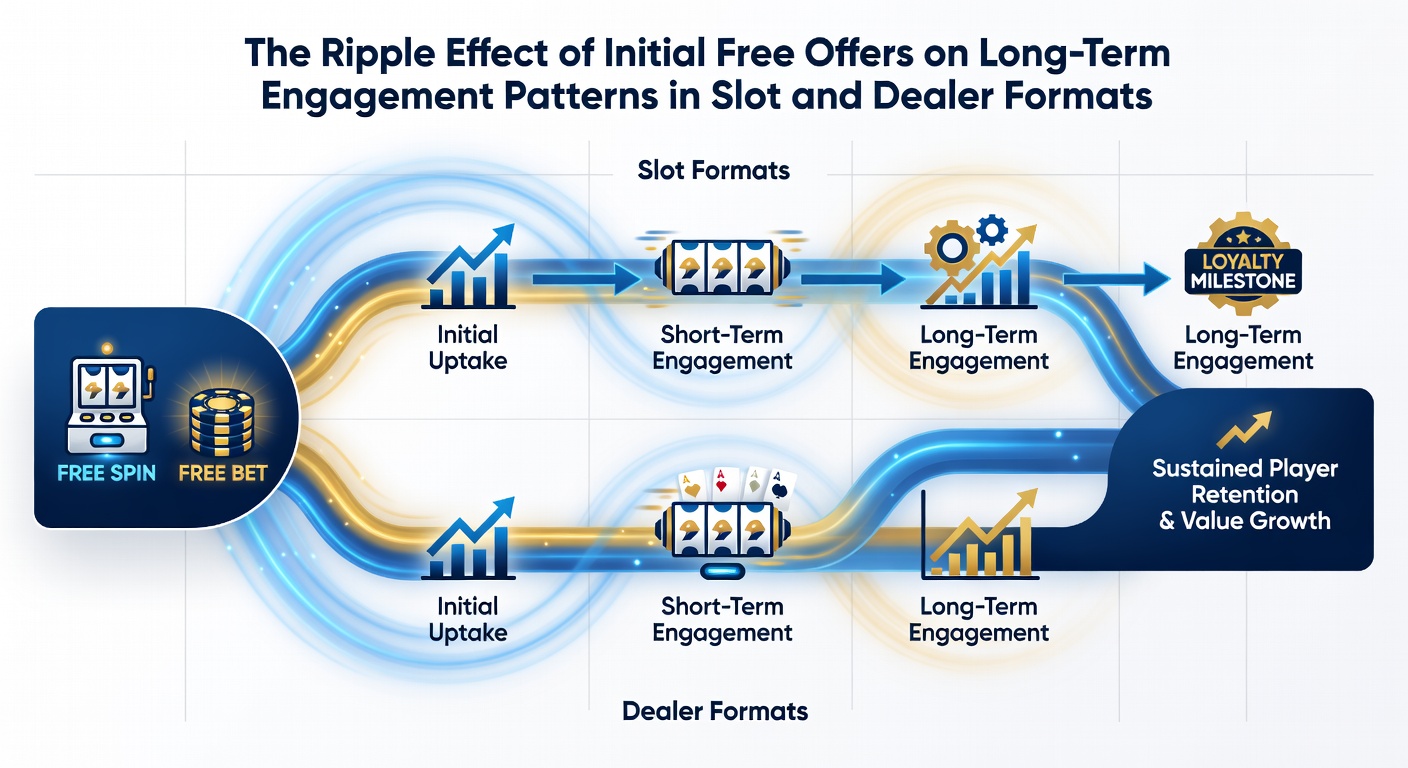
Comparative reports compiled by the Australian Gambling Research Centre highlight that mobile users crossing from slots to dealer tables within 30 days of their first bonus exhibit the strongest multi-format retention curves through the following year.
Regulatory Context and Platform Adjustments in 2026
By May 2026 several licensing jurisdictions had introduced updated transparency rules around bonus expiry and wagering requirements, prompting operators to adjust offer structures while preserving the core sequence that moves users from free activation to sustained engagement across both slot and dealer verticals.
These adjustments coincide with expanded mobile verification protocols that reduce friction for returning players, allowing earlier bonus cohorts to resume activity without repeated onboarding steps and thereby extending observed lifetime value metrics.
Measurement Approaches Across Markets
Analysts at the University of Nevada, Las Vegas International Gaming Institute track cohort retention through anonymized session data, revealing that initial free offers function less as isolated events and more as gateways that recalibrate user expectations around reward frequency in subsequent weeks.
Mobile-specific variables such as push notification timing and in-app wallet integration further amplify these effects, since players who link payment methods during the bonus phase display higher re-engagement rates regardless of whether their preferred format remains slots or shifts toward dealer tables.
Conclusion
Patterns documented across licensed mobile applications demonstrate that starter incentives exert measurable influence on how users distribute their time between slot and dealer formats over extended periods, with conversion sequences, format preferences, and regulatory updates each contributing distinct layers to the overall trajectory.
Continued monitoring through platform analytics and independent research bodies will clarify whether these ripple effects intensify or stabilize as mobile interfaces and jurisdictional standards continue to evolve.