27 Aug 2026
Reward Pathways in App-Based Casino Systems: Tracking Entry Incentives Through Extended High-Value Sessions
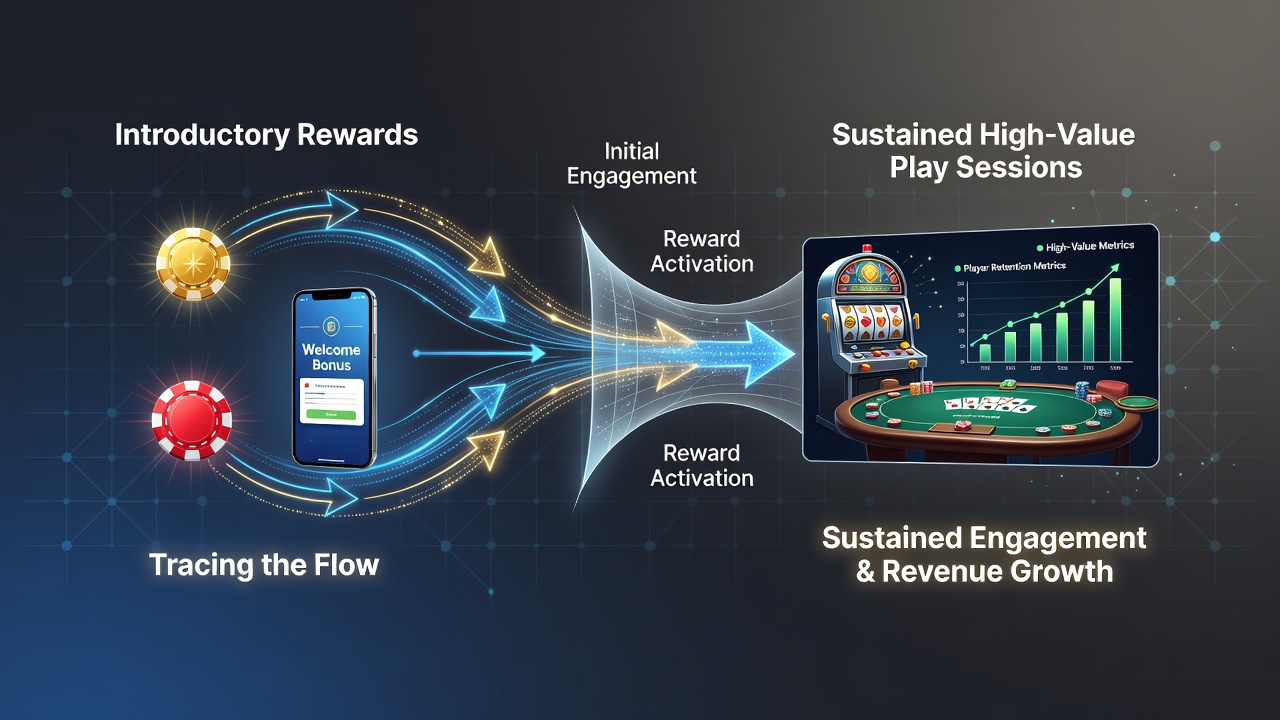
Introductory rewards in app-driven casino networks begin with structured welcome packages that include deposit matches and free spin allocations, then move through defined conversion stages toward sustained high-value play. These networks rely on mobile applications to monitor every step, from initial claim to repeated high-stakes activity, with data points collected at each interaction point. Observers note that operators structure these offers so players encounter progressive requirements such as wagering thresholds and tiered unlock conditions before full access to premium tables or jackpot pools becomes available.
Mechanics of Initial Reward Distribution
App platforms deliver entry-level incentives through automated onboarding sequences that activate upon first deposit or registration verification, and these sequences incorporate time-bound elements that encourage prompt engagement. Data from regulatory filings in multiple jurisdictions shows that free spin bundles typically carry playthrough multipliers ranging between 20x and 40x, while matched deposits often reset with each new promotional cycle. Players receive notifications within the application that detail remaining wagering progress, and the same systems log session duration alongside bet size to build individual profiles. Research conducted by institutions such as the Alcohol and Gaming Commission of Ontario indicates that completion rates for these early requirements vary by game category, with slot-focused offers converting at higher volumes than table-game equivalents.
Transition Points from Entry Offers to Ongoing Activity
Once introductory conditions are satisfied, the flow shifts toward loyalty mechanics embedded in the application architecture, where accumulated play data triggers personalized follow-up rewards. Casino networks segment users according to average bet levels and session frequency, then route those segments into separate retention tracks that feature escalating cashback percentages and exclusive event invitations. August 2026 figures released by several North American operators revealed that players who completed initial bonus cycles within seven days demonstrated a 34 percent increase in subsequent monthly handle compared with those who delayed activation. Application algorithms detect these patterns in real time and adjust visibility of high-limit rooms or live dealer lobbies accordingly, creating a seamless handoff between stages.
Role of App Technology in Sustaining Value
Mobile applications serve as the central conduit for this progression by integrating real-time analytics with push notifications and in-app store interfaces. Developers embed tracking pixels that record every spin, card draw, and cashout request, allowing networks to identify when a player approaches a value threshold that warrants intervention through targeted reload bonuses. Industry reports compiled by groups such as the Australian Gaming Council document how these systems reduce friction during the shift from low-stakes introductory play to higher denomination machines and VIP tables. The same reports highlight that geolocation features within apps further refine offer timing, presenting elevated rewards when users are detected near partner venues or during peak evening hours.
Segmentation and Retention Layering
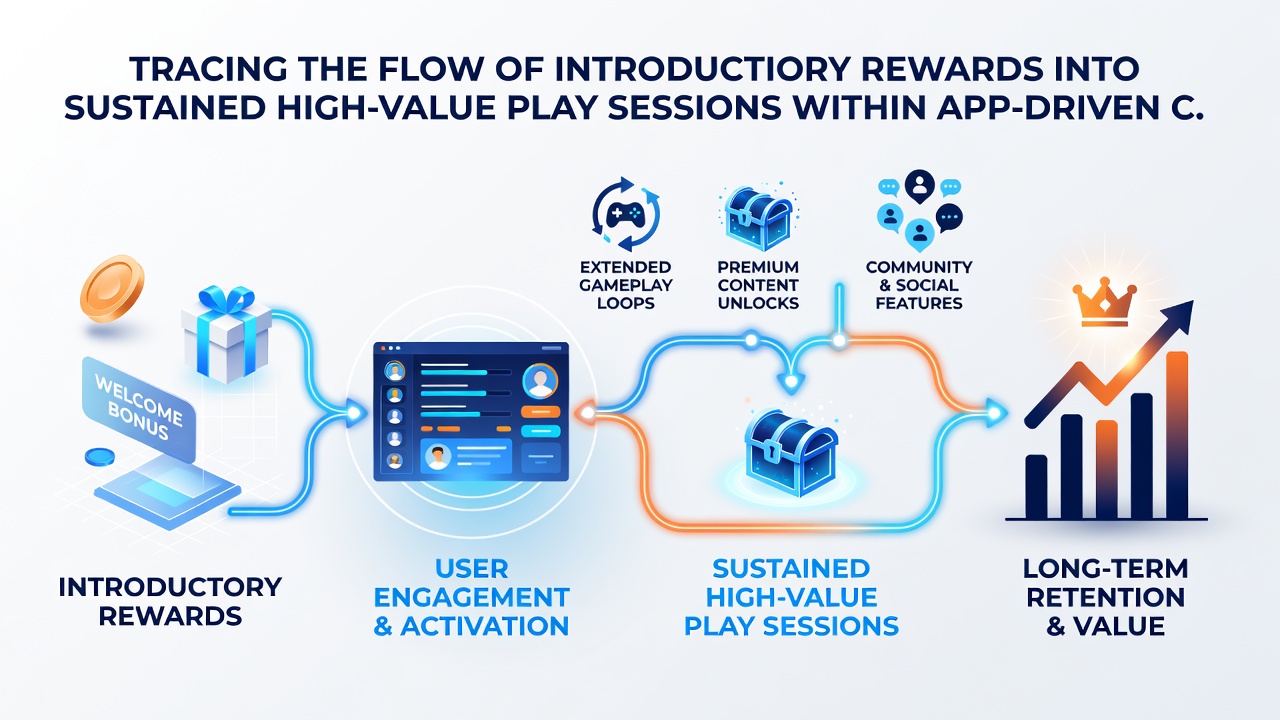
Networks divide player bases into micro-cohorts based on lifetime value projections generated from the first three sessions, then apply distinct communication cadences to each group. One cohort might receive daily free spin top-ups calibrated to maintain momentum, whereas another encounters invitations to private tournaments with elevated entry stakes. Academic analyses from research centers examining digital gambling behavior confirm that these layered approaches extend average session length by measurable margins, particularly when combined with social features such as leaderboard placements and shared jackpot contributions. Application updates deployed in mid-2026 incorporated additional machine-learning modules that predict churn risk within 48 hours, enabling preemptive reward adjustments before disengagement occurs.
Conclusion
The documented movement from introductory rewards through successive retention layers demonstrates how app-driven casino networks convert one-time activations into repeated high-value participation. Tracking systems capture each milestone, from bonus claim to elevated bet volumes, while segmentation ensures offers remain aligned with observed behavior. Regulatory data across multiple regions continues to record the resulting patterns in gross gaming yield and player tenure, confirming the operational significance of these structured pathways within contemporary mobile platforms.