2 Jul 2026
Mapping the Progression from No-Deposit Free Spins to Elite Live Play Rewards in Verified Mobile Gaming Networks
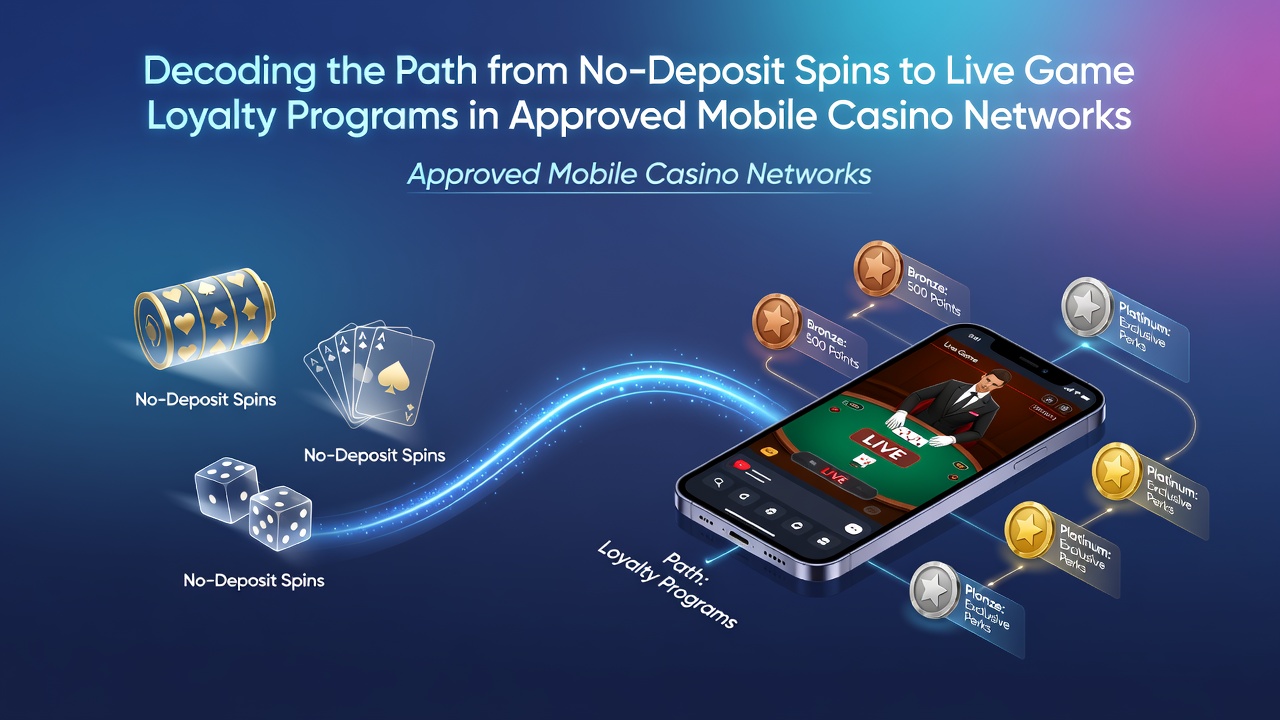
Players in approved mobile casino networks often begin their journey with no-deposit spins that grant access to slot titles without an initial financial commitment, and these offers serve as entry points that operators track through unique bonus codes and account identifiers. Data from regulatory filings shows that such promotions appear in multiple jurisdictions where licensing bodies require clear terms around wagering requirements and eligibility verification. Observers note that once players complete the associated playthrough conditions, many transition into deposit-funded activities where additional incentives become available.
Initial Engagement Through No-Deposit Mechanisms
Approved platforms structure no-deposit spins around specific slot games with defined maximum win caps and expiration windows, and these parameters appear in player agreements that reference standards set by state gaming authorities. Research indicates that participation rates rise when operators display transparent information about reel counts, payline structures, and volatility levels directly within the mobile interface. Those who study user behavior patterns report that players frequently explore several titles during the free spin allocation before deciding whether to proceed further.
Transition Pathways and Deposit Integration
Once the initial spins conclude, mobile networks present deposit-match offers that link back to the same player profiles, creating a continuous data trail that loyalty systems later reference. Figures from industry reports reveal that conversion from free spin users to depositing participants occurs at measurable rates across networks operating under Nevada Gaming Control Board oversight and similar frameworks in other regions. And operators maintain separate ledgers for bonus funds versus cash balances so that live game access remains distinct until players satisfy all prior conditions.
Loyalty Program Architecture in Mobile Environments
Loyalty structures in these networks assign points based on wager volume across both slots and live dealer categories, with tier advancement determined by cumulative activity rather than isolated sessions. Studies from the American Gaming Association highlight that mobile-specific programs often incorporate push notifications to alert users when they approach the next reward level, and these alerts reference real-time data from the central player management database. Participants move through bronze, silver, gold, and platinum categories where each stage unlocks enhanced cashback percentages and priority support channels.
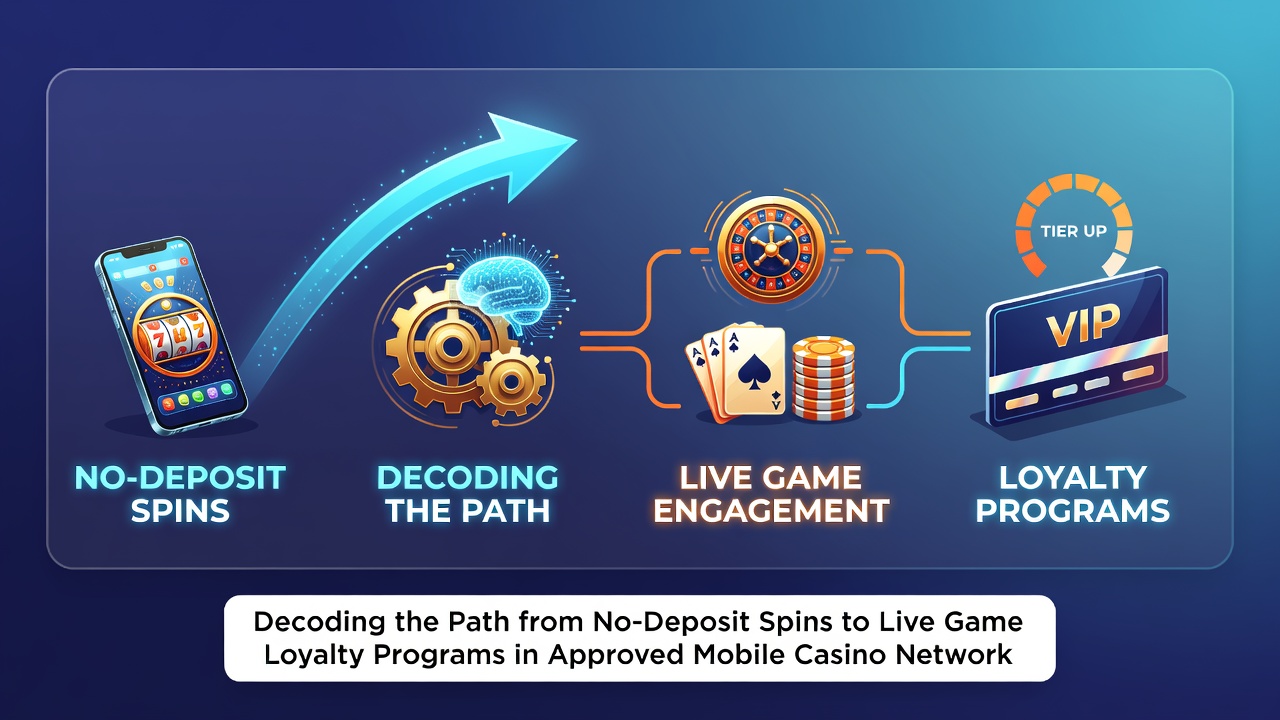
Live game loyalty benefits typically include dedicated tables with lower minimum bets for higher-tier members, and these tables operate under the same licensing rules that govern RNG-based offerings. What's notable is that point multipliers sometimes apply during promotional windows in July 2026 when certain networks introduce seasonal events tied to major sporting calendars.
Live Dealer Integration and Tiered Perks
Live dealer sections within approved mobile apps stream from studios that maintain separate regulatory certifications, and players who began with no-deposit spins can access these streams once their accounts reach verified status. Research from university-affiliated gaming laboratories shows that retention improves when loyalty programs grant free bet tokens specifically redeemable at blackjack, roulette, or baccarat tables. Operators track session duration and average bet size to calibrate the frequency of these rewards, ensuring compliance with responsible gaming parameters established by provincial authorities in Canada.
Case examples from networks operating in multiple states demonstrate that players who progress through loyalty tiers receive invitations to private tournaments where live game formats combine with slot leaderboards, and results feed back into the central loyalty ledger. This integration allows seamless movement between game types while maintaining a single point total visible on the mobile dashboard.
Regulatory Compliance Across Jurisdictions
Licensing bodies in various regions require operators to separate marketing communications for no-deposit offers from those promoting live game loyalty, and compliance teams conduct regular audits of these distinctions. Data compiled by the Canadian Gaming Association indicates steady growth in mobile participation where such separation remains enforced, and similar patterns appear in Australian state reports covering digital gaming platforms. Networks must also implement age verification and geolocation checks at multiple stages, including during the shift from free spins to live dealer access.
Technology Enabling Continuous Tracking
Backend systems employed by approved networks log every spin outcome and live game decision under encrypted player identifiers, and these records support both loyalty calculations and regulatory reporting requirements. Mobile applications synchronize this information across devices so that progress toward tier advancement remains consistent whether a user switches between smartphone and tablet. Observers note that API connections between slot engines and live dealer platforms allow real-time point updates, reducing discrepancies that previously required manual reconciliation.
Conclusion
The documented progression from no-deposit spins to live game loyalty programs follows structured pathways defined by licensing conditions and technical integrations across approved mobile casino networks. Evidence from regulatory filings and industry analyses shows that operators maintain clear records linking initial free spin activity to subsequent loyalty tier status, while players encounter consistent rules around wagering, verification, and reward redemption. These elements operate within frameworks established by multiple regional authorities that continue to refine standards through 2026 and beyond.