16 Oct 2026
Mapping Digital Reward Flows: Portable Device Spins Connecting to Live Dealer Progressions

Players often begin reward sequences through spins on portable devices in approved digital spaces, where initial engagements on mobile slots trigger layered bonus structures that data from industry reports show can progress toward live dealer tables. According to figures from the American Gaming Association, remote gaming participation reached steady levels across multiple jurisdictions by mid-2026, with mobile access accounting for the majority of session starts in regulated environments.
Those who've examined transaction patterns note that portable device spins frequently activate entry-level rewards such as matched deposits or free rotations, and these elements combine with participation metrics to unlock higher tiers. Research from the University of Nevada Las Vegas gaming studies indicates that sequences involving 50 or more mobile spins correlate with increased movement into table-based formats, since accumulated loyalty points or cashback provisions reduce barriers to escalation.
How Mobile Spins Initiate the Sequence
Approved platforms structure entry rewards around mobile compatibility because device data reveals higher frequency of short sessions on smartphones and tablets compared with desktop access. A single spin on a certified slot title activates tracking systems that record bet size, game type, and time spent, then feed this information into algorithms that determine subsequent offers. Figures reveal that operators in North American and European licensed markets report average session lengths on mobile rising 18 percent year over year through September 2026, creating more opportunities for reward layering.
Observers note that these initial spins rarely stand alone; instead they connect directly to progressive mechanics where accumulated activity meets thresholds for upgraded status. For instance, one documented pathway shows players completing 100 spins on a mobile progressive jackpot game qualifying for a live dealer credit that covers the first several hands at blackjack or roulette tables. Such linkages appear in platform rules published by regulators in multiple regions, including the New Jersey Division of Gaming Enforcement.
Escalation Pathways to Live Dealer Formats
Live dealer sections operate under separate technical standards yet integrate with the same player accounts that handle mobile spins, allowing seamless movement once reward criteria are satisfied. Data indicates that certified operators track escalation through a combination of deposit volume, game variety, and retention signals, with live dealer activity often representing the next stage after sustained mobile engagement. What's interesting is how these systems use real-time adjustments; a player whose mobile spins generate consistent returns may receive targeted invitations to live sessions featuring lower house edges or exclusive table limits.
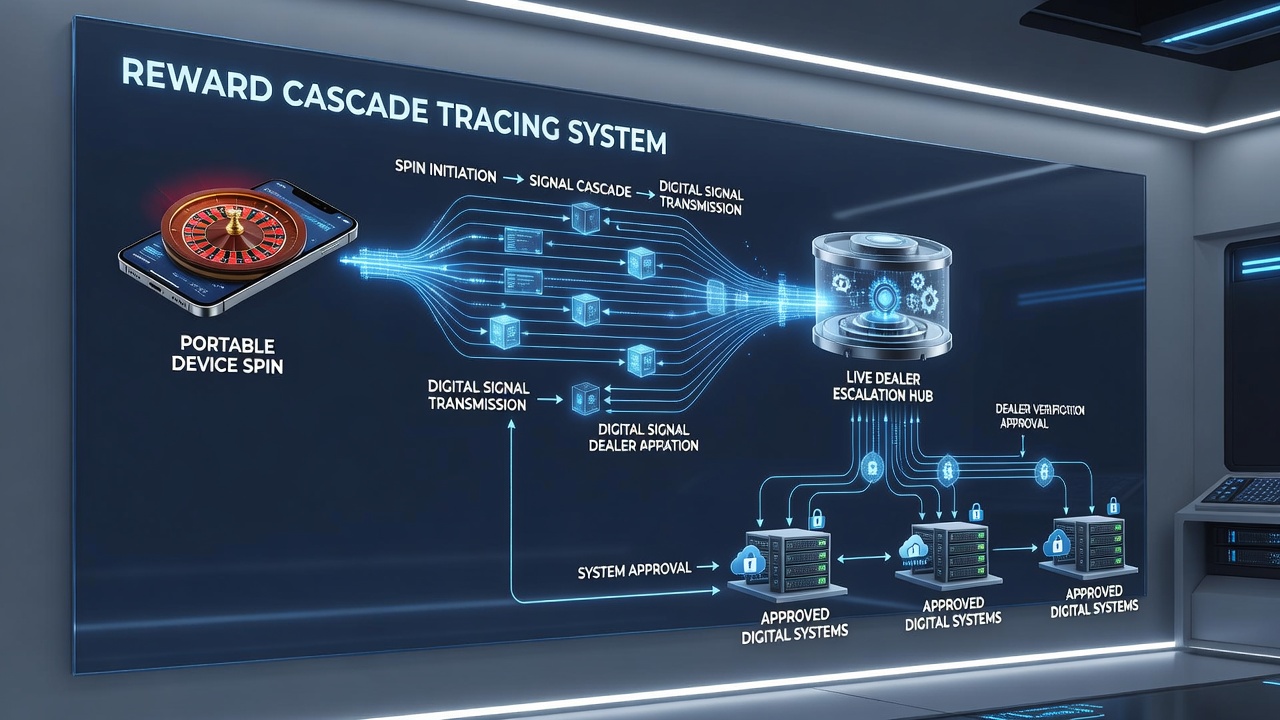
Those monitoring industry metrics point out that October 2026 marks the implementation window for updated technical standards in several Australian state jurisdictions, where mobile-to-live linkages must now include enhanced responsible gaming prompts at each escalation step. This timing aligns with broader shifts toward unified player ledgers across device types, reducing friction while maintaining audit trails required by licensing authorities.
Regulatory Context Across Jurisdictions
Licensed operators must document reward cascades to satisfy anti-money laundering and player protection requirements enforced by bodies such as the Alcohol and Gaming Commission of Ontario. Reports compiled by that agency show that mobile-initiated bonuses transitioning to live dealer play represent a measurable segment of total handle in 2026, prompting stricter logging of each step in the sequence. European regulators outside the United Kingdom have similarly updated reporting templates to capture cross-format activity, ensuring that reward flows remain transparent.
Industry organizations like the European Gaming and Betting Association have published guidance documents outlining best practices for linking portable spins with live environments, emphasizing clear disclosure of terms that govern progression. These materials stress that approved digital spaces maintain separate RNG certifications for slots alongside live-stream verification for dealer tables, yet the player journey between them follows predictable data patterns.
Observed Patterns in Player Behavior
Case examples from regulated markets illustrate how reward cascades function in practice. One analysis of anonymized account data found that users completing daily mobile spin targets over a two-week period showed elevated rates of live dealer participation the following month. Another set of records from Canadian provincial operators revealed that VIP status upgrades, earned partly through mobile volume, frequently coincide with first-time live table entries during promotional windows.
Researchers at academic centers tracking gambling trends continue to examine whether these escalations occur uniformly across demographic groups or concentrate among specific cohorts. Available statistics suggest steady participation rates overall, with mobile entry points serving as consistent gateways rather than isolated activities.
Conclusion
Tracing reward cascades demonstrates clear technical and operational connections between portable device spins and live dealer escalations inside approved digital spaces. Data compiled through October 2026 continues to highlight how initial mobile activity feeds into broader platform engagement when operators apply consistent tracking and tiered reward systems. Regulatory frameworks across multiple regions maintain oversight of these flows through licensing conditions that require transparent documentation and player safeguards at every stage.