18 Jun 2026
Layered Rewards: Tracing Incentive Pathways from Slot Machines to Interactive Dealer Tables
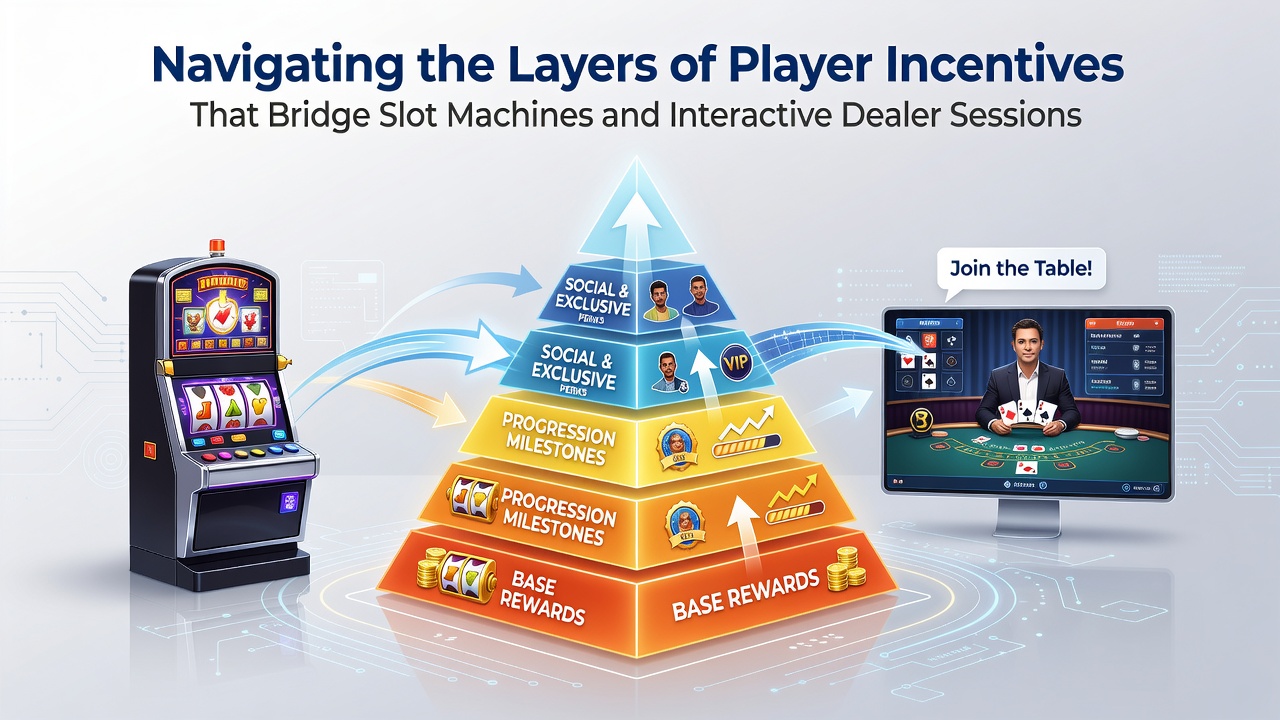
Player incentives in regulated gaming environments often operate as multi-tiered systems that begin with digital slot engagements and extend toward live dealer interactions, creating structured pathways that encourage progression across game formats. Data from industry analyses show these layers typically include initial deposit matches, free spin allocations, and loyalty point accumulations that unlock table game access once certain thresholds are met.
Initial Entry Points Through Slot Incentives
Slot machines serve as common starting points because they require minimal prior knowledge and deliver rapid feedback loops, and operators design entry-level promotions such as no-deposit spins or matched deposits to draw participants into these games first. Research indicates that players who engage with these offers frequently accumulate progress toward broader reward tiers, including cashback percentages and bonus credits that can later transfer to live sessions. Figures from North American market reports reveal that remote slot participation accounts for a significant share of early-stage activity before players explore other verticals.
Bonus structures often incorporate playthrough requirements tied specifically to slot outcomes, which means accumulated winnings or points become eligible for redemption only after meeting predefined criteria. Those who've examined these systems note that such mechanics help maintain engagement levels while directing player attention toward higher-variance table options once initial targets are achieved.
Progression Mechanisms Linking Slots to Live Tables
Transition features appear in many programs where slot-generated loyalty points convert directly into live dealer credits or entry tokens for roulette, blackjack, and baccarat sessions. This conversion process relies on tiered VIP ladders that activate additional benefits, such as dedicated dealer access or reduced commission rates, once players cross spending or activity milestones. A study conducted by researchers at the University of Nevada, Las Vegas highlighted how these conversion rates influence session duration and cross-format participation patterns across multiple jurisdictions.
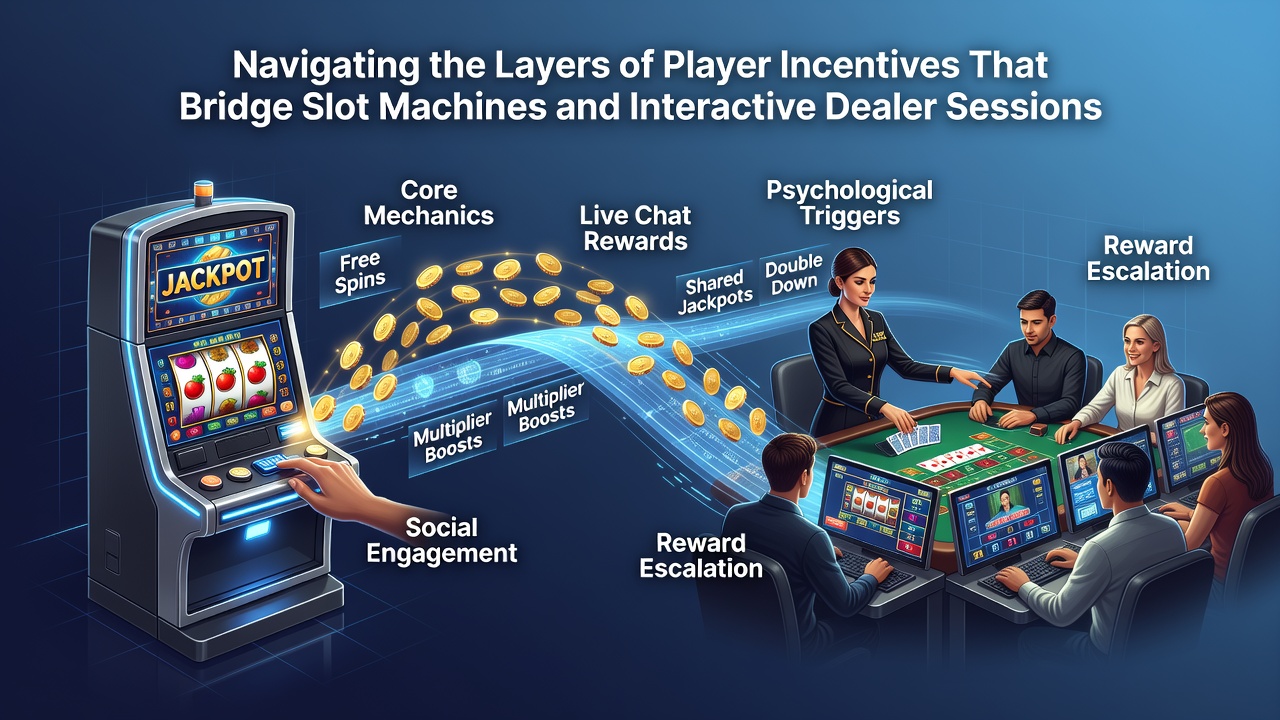
Seasonal campaigns around mid-2026 have introduced hybrid bundles that pair slot free spins with guaranteed live table vouchers, reflecting adjustments in operator strategies amid evolving compliance landscapes. Observers point out that these bundles reduce friction between game types by allowing seamless movement from reel-based play to interactive dealer environments without separate funding steps.
Regulatory Influences on Incentive Design
Authorities in various regions, including those tracked by the American Gaming Association, have issued updated guidance on bonus transparency that affects how operators present slot-to-table pathways. These rules require clear disclosure of wagering contributions and expiration timelines, ensuring players understand how slot activity feeds into live dealer eligibility. Data compiled through 2025 shows steady adoption of these standards across licensed platforms, with participation rates holding consistent despite structural changes.
Similar frameworks appear in Australian regulatory updates that emphasize responsible incentive layering, where slot promotions must specify their role in unlocking table game features. Operators respond by publishing detailed progress trackers that display real-time advancement from one game category to another, reducing ambiguity around redemption processes.
Case Examples of Bridging Strategies
One documented approach involves progressive jackpot slots that award live dealer tournament entries as secondary prizes, allowing winners to shift immediately into competitive table environments with pre-funded stakes. Another pattern uses cashback earned exclusively on slots to offset live session losses, creating a direct financial bridge between the two formats. Reports from the Canadian Gaming Association document increased uptake of such mechanics in provinces with integrated online and land-based licensing.
Platform data further indicates that players who complete slot-based qualification rounds demonstrate higher retention when moving to live dealer formats, particularly when incentives include time-limited table credits or exclusive game variants. These patterns hold across multiple operator portfolios examined in recent industry overviews.
Conclusion
Incentive architectures continue to evolve as operators refine connections between slot machines and interactive dealer sessions through layered rewards that reward cross-format activity. Regulatory bodies outside the UK maintain oversight on these structures to balance player engagement with transparency requirements, while data from academic and trade sources illustrate measurable effects on participation flows. The result is a system where initial slot engagements serve as gateways that systematically introduce participants to live table experiences under controlled conditions.