31 May 2026
From Casual Spins to Premium Tables: How Layered Incentives Guide Players Through Regulated Mobile Gaming in Britain
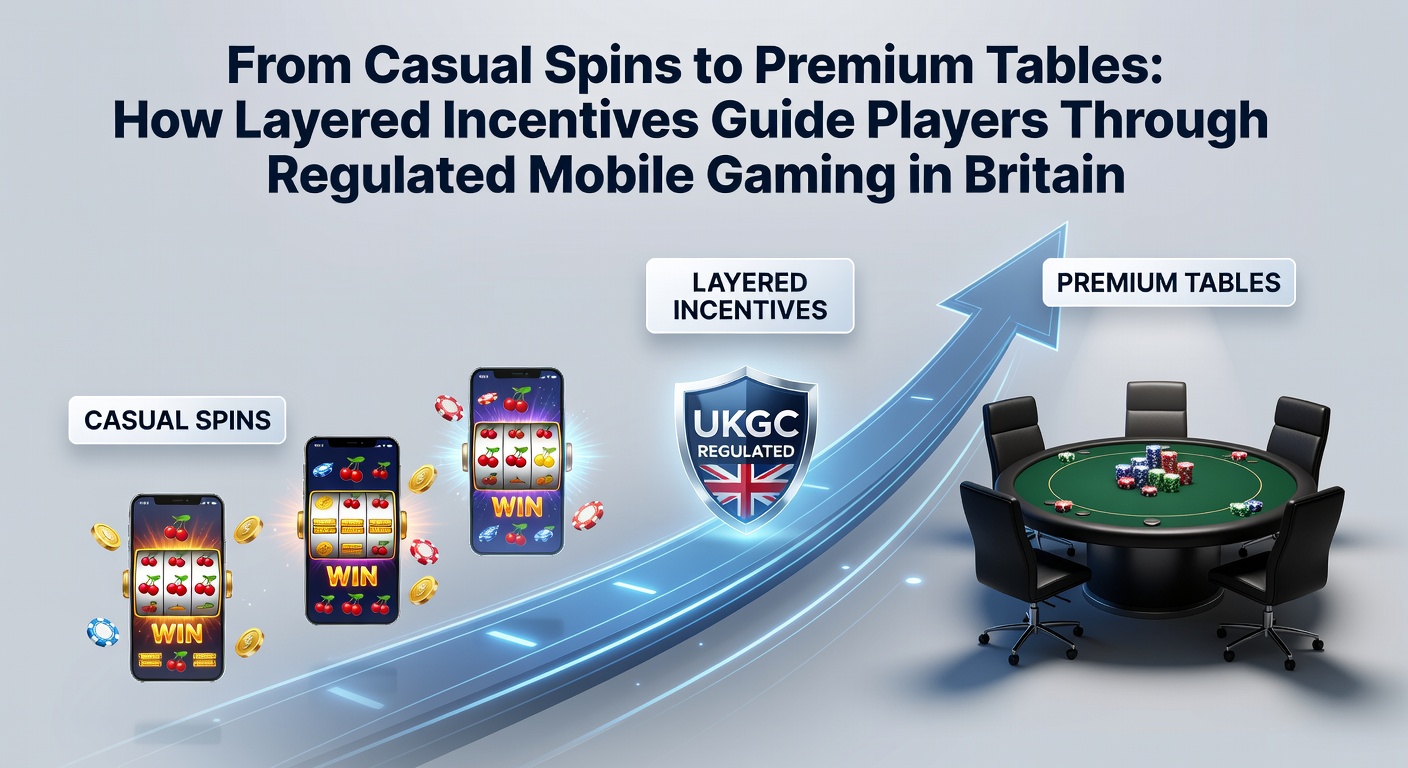 Data from industry reports shows that mobile gaming platforms in Britain rely on structured incentive systems to move participants along defined pathways, and these systems operate under strict licensing conditions that shape every stage of engagement. Players often begin with entry-level rewards such as free spins or small credit offers, which establish initial contact with slot titles, while subsequent layers introduce deposit matches and cashback structures that encourage continued activity across different game categories.
Entry-Level Rewards Establish Initial Patterns
Regulated operators structure welcome packages to include multiple components that activate upon account verification and first deposit, and these components frequently combine free spins on popular slots with percentage-based deposit bonuses. Research indicates that such combinations create measurable increases in session length during the opening weeks of account activity, because the free spins component reduces financial risk while the deposit match extends playtime across additional titles.
Participants who complete the wagering requirements attached to these entry offers gain access to the next tier of incentives, which typically include reload bonuses and enhanced cashback rates on net losses. The transition happens automatically once account history meets predefined thresholds, and operators track these milestones through integrated loyalty systems that assign points based on total staked amounts rather than individual bet sizes.
Progression Mechanisms Link Slots to Live Tables
Layered incentive designs connect slot-based activity to live dealer environments through targeted promotions that unlock after specific volume thresholds, and these promotions often feature free bet credits or reduced commission rates on table games. Observers note that this sequencing allows players who start with casual reel spins to encounter blackjack, roulette, and baccarat variants without separate onboarding steps, because the same account balance and verification status carry forward across game types.
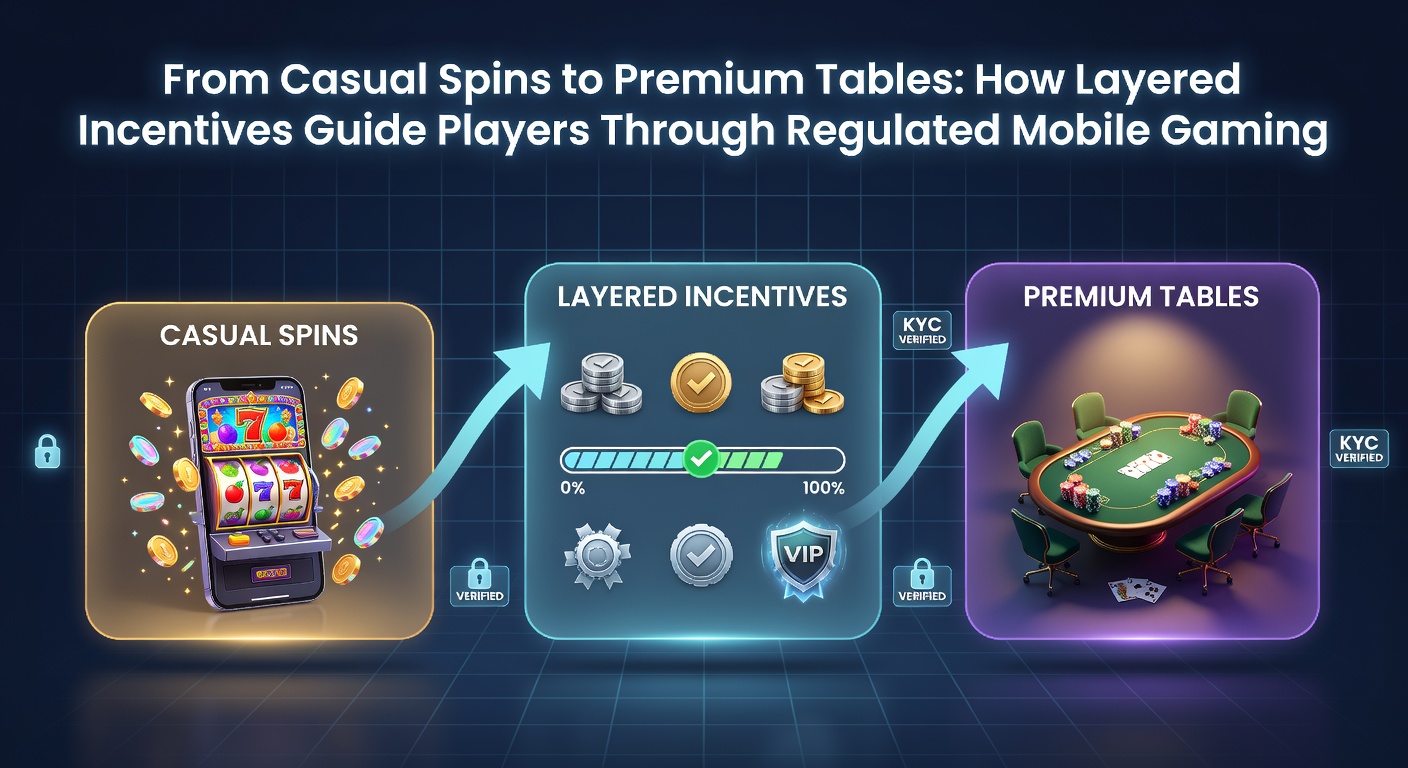
Figures from European Gaming and Betting Association reports reveal that live dealer participation rates rise notably once players have cleared initial slot-focused bonuses, since the accumulated loyalty points convert into table-specific perks such as dedicated dealer access or private game invites. The mechanism relies on real-time tracking that adjusts available rewards according to recent game choices, thereby guiding movement toward higher-stakes environments without requiring explicit player requests.
VIP Structures Formalize Long-Term Engagement
Once activity patterns stabilize, operators introduce tiered loyalty programs that segment players according to cumulative spend and frequency metrics, and these programs deliver escalating benefits including personalized deposit bonuses, faster withdrawal processing, and exclusive event invitations. Data shows that players reaching mid-tier status receive tailored communications that highlight premium table opportunities alongside continued slot incentives, creating parallel reward streams rather than replacement offers.
According to analysis published by the University of Salford's gambling studies unit, retention metrics improve when VIP benefits maintain continuity with earlier incentive layers, because participants perceive the progression as a single coherent system rather than disconnected promotions. This continuity appears in the form of point multipliers that apply across both slot and table categories, allowing earlier free spin earnings to contribute toward higher VIP status.
Regulatory Framework Shapes Incentive Design
Licensed platforms in Britain must comply with rules governing bonus transparency and wagering calculations, and these requirements influence how operators sequence rewards to avoid misleading structures. As of May 2026, updated reporting standards from multiple European regulatory bodies have prompted clearer disclosure of bonus expiry dates and contribution rates across game types, which in turn affects how layered systems present live table pathways to mobile users.
Industry organizations such as the Remote Gambling Association have documented that compliant operators publish detailed terms alongside promotional banners, enabling participants to understand exactly which games advance their progress toward premium access. The result is a more predictable journey from initial spins to higher-limit tables, with each layer designed to meet both commercial objectives and regulatory expectations.
Conclusion
Layered incentive models in regulated British mobile gaming therefore function as sequenced pathways that begin with low-commitment offers and advance through verified milestones toward premium table environments. The structure relies on integrated tracking systems, transparent wagering rules, and loyalty frameworks that convert early activity into sustained engagement across game categories, while external reporting requirements ensure these systems remain consistent with licensing standards.