18 Aug 2026
Evolving Safeguards Reshaping Promotional Tactics in Digital Gaming Environments
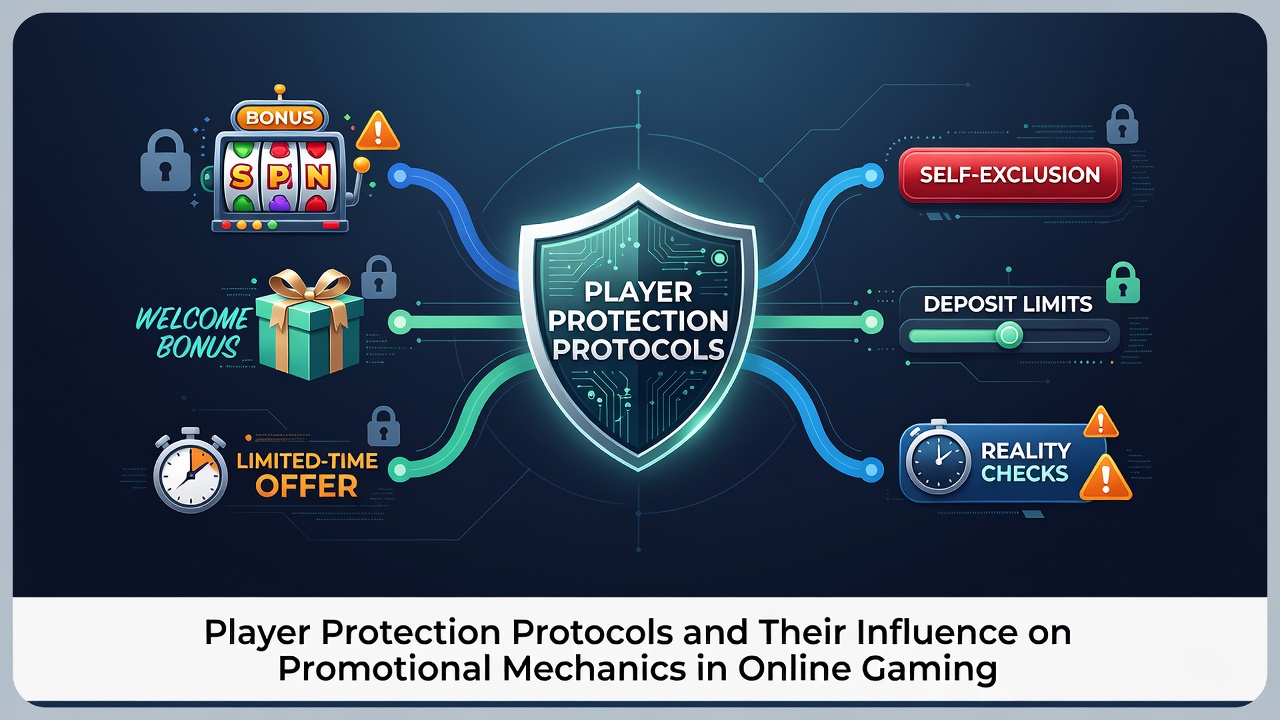
Player protection protocols have expanded across multiple jurisdictions in recent years, and these measures now directly shape how operators design welcome bonuses, free spin packages, and loyalty rewards in online gaming. Regulators in various regions require operators to integrate affordability checks, deposit limits, and reality checks into promotional flows, which means bonus structures must align with spending caps and session reminders rather than unlimited play incentives.
Core Elements of Modern Player Protection Frameworks
Data from the Responsible Gambling Council shows that mandatory loss limits and time-based alerts now appear in most licensed platforms operating in North America and parts of Europe. These requirements force promotional mechanics to include clear opt-out options at signup, while operators must display remaining bonus wagering progress alongside real-time spend trackers. Research conducted by the University of Sydney's Gambling Research Centre indicates that platforms incorporating these features early saw higher long-term retention rates because players encountered fewer abrupt account restrictions later.
Operators have responded by embedding verification steps into bonus claims themselves. A player who activates a no-deposit offer must often complete an initial affordability questionnaire before the spins credit, and the same system flags accounts that approach preset thresholds during the promotional period. This integration prevents the common pattern where bonus hunters exceeded personal budgets chasing wagering requirements.
Adjustments to Bonus Structures Under New Rules
Promotional mechanics have shifted from high-volume free spin offers toward segmented rewards that respect daily and monthly limits. Instead of blanket 100-spin packages available to all accounts, many sites now deliver tiered rewards based on verified income brackets or prior play patterns. August 2026 marks the scheduled rollout of updated cross-border standards in several Canadian provinces that will require all active promotions to pause automatically once a player hits 80 percent of their self-set limit.
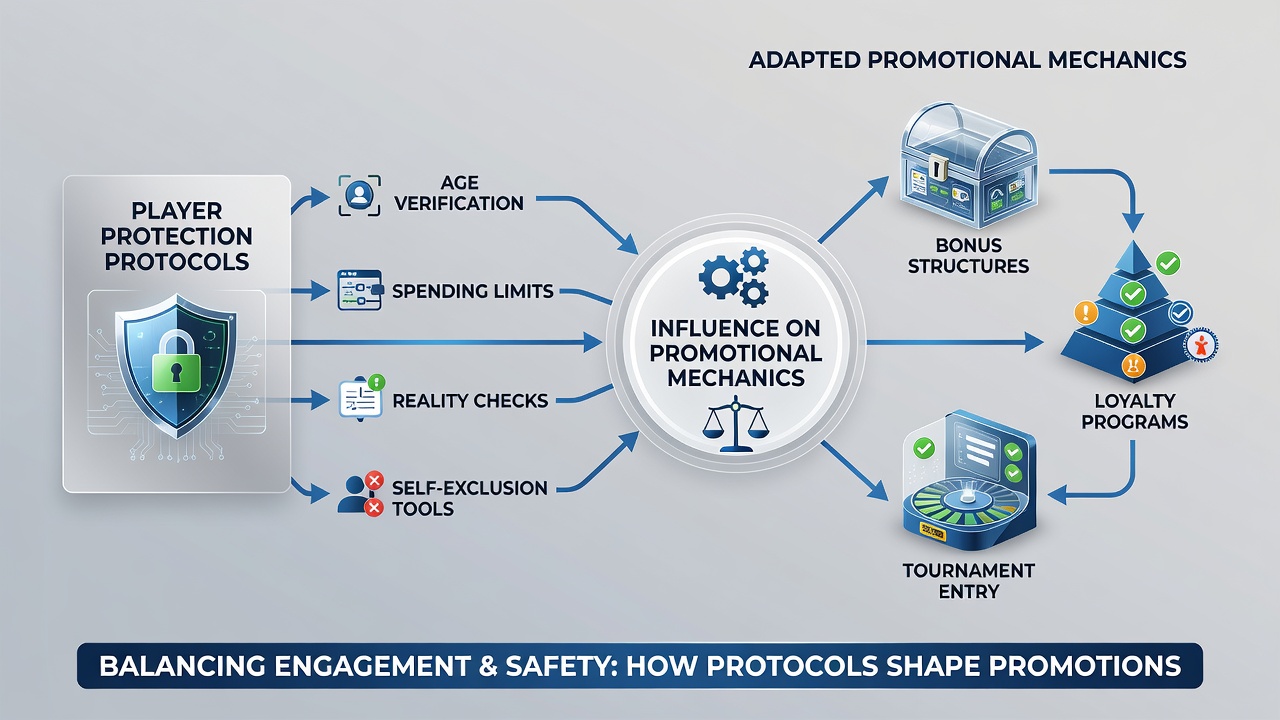
Live dealer tables and slot lobbies have also adapted. Some platforms now attach bonus funds to specific game categories that carry lower volatility ratings, reducing the chance of rapid losses during promotional play. Others route high-roller VIP offers through separate portals where additional identity verification occurs before large deposit matches activate. These changes reflect broader industry efforts to keep promotional value intact while satisfying regulatory demands for harm minimization.
Regional Variations in Implementation
European operators licensed outside the UK have adopted similar approaches under Malta Gaming Authority guidelines, which tie bonus expiration dates to player activity logs rather than fixed calendar periods. Australian states have introduced mandatory pre-commitment systems that block promotional emails once a player elects to exclude themselves from marketing. In both cases, the technical requirement forces operators to maintain separate databases for bonus eligibility and responsible gaming status, increasing backend complexity but creating clearer audit trails for regulators.
One documented case involved a major North American operator that restructured its entire welcome package after internal audits revealed that 22 percent of new accounts triggered loss-limit alerts within the first seven days. The revised offer spread the bonus across multiple smaller tranches released only after each completed session review, a format that reduced early churn while satisfying new state-level disclosure rules.
Technology Driving Compliance and Promotion Delivery
Artificial intelligence tools now scan player behavior in real time and adjust available promotions accordingly. When an algorithm detects rapid bet-size increases during a free spin round, the system can automatically substitute remaining spins with lower-stake equivalents or insert a mandatory break. These interventions occur without removing the promotional value entirely, preserving the marketing intent while meeting safety obligations.
Blockchain-based verification systems have begun appearing in pilot programs across several jurisdictions. Players receive cryptographic proof that their bonus terms remain unchanged even after protection parameters update, which reduces disputes when limits trigger mid-promotion. Industry reports from the European Gaming and Betting Association note that such transparency measures also help operators demonstrate compliance during routine inspections.
Conclusion
Player protection protocols continue to influence every layer of promotional design in online gaming, from initial signup offers to ongoing loyalty mechanics. As regulatory frameworks mature across continents, operators must balance marketing appeal with built-in safeguards that respect individual spending boundaries and session controls. The result is a more structured promotional environment where bonus mechanics serve both player engagement and regulatory compliance simultaneously.