23 Jun 2026
Decoding Reward Pathways That Connect Initial Deposits to Sustained Participation in Verified Portable Gaming Applications
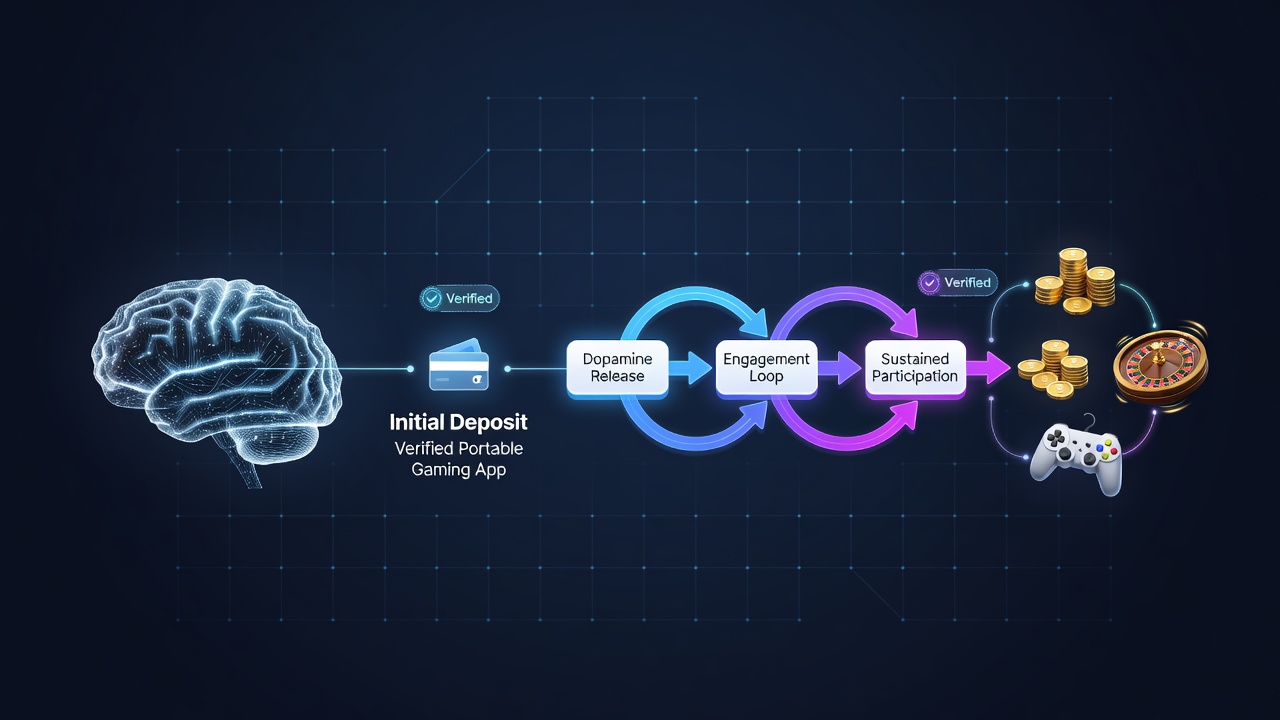
Verified portable gaming applications rely on carefully engineered reward pathways that convert an initial deposit into repeated engagement, and these systems draw from behavioral research on motivation and habit formation. Data from industry reports indicate that players who complete a first purchase often show retention rates climbing above 60 percent within the first month when layered incentives align with psychological triggers such as variable rewards and progress feedback.
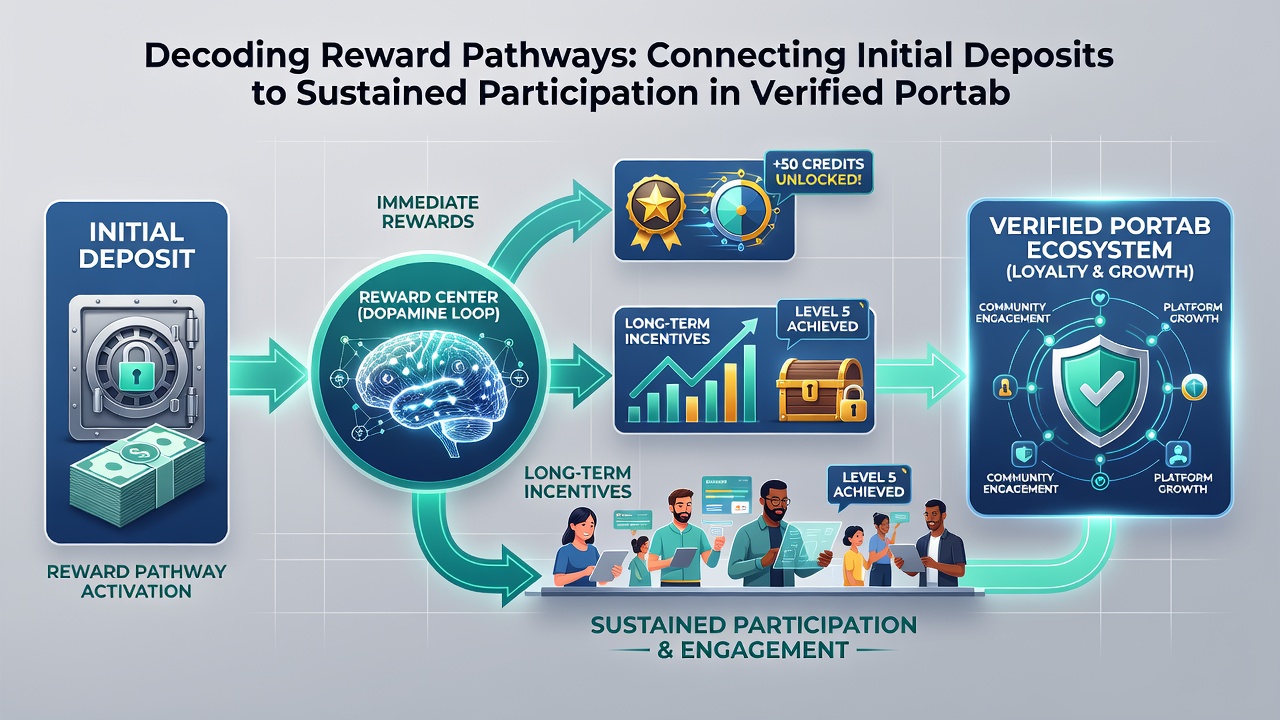
Developers structure these pathways through sequenced mechanics where the first deposit unlocks immediate value, whether through virtual currency packs or access to premium features, while subsequent milestones trigger escalating benefits that reinforce continued play. Observers note that this progression mirrors findings in decision-making studies where small early commitments increase the likelihood of larger future investments because the brain registers the initial action as a sunk cost worth protecting through further participation.
Core Mechanisms Linking Deposits to Retention
Application designers integrate three primary elements that sustain momentum after the opening transaction: instant feedback loops, social comparison tools, and personalized challenge escalations. Instant feedback appears in the form of animated reward notifications that release dopamine-associated responses, whereas social tools display peer progress metrics that encourage users to match or exceed benchmarks set by others in the same cohort. Personalized challenges adapt in real time based on play history so that each session presents achievable yet slightly advanced targets.
Research conducted by teams at the University of Waterloo has examined how these combined elements affect session length and return frequency across multiple genres of portable titles. Their longitudinal tracking revealed that users exposed to adaptive challenges after an initial deposit maintained average daily playtime 35 percent higher than control groups without such tailoring, and the effect persisted across a six-month observation window ending in early 2026.
Data Patterns Observed in June 2026
Market analytics released during June 2026 showed portable gaming applications recording a 22 percent rise in repeat deposit activity among verified accounts compared with the same period the previous year. The figures revealed stronger correlations between structured onboarding bonuses and 90-day retention, particularly in titles that staggered reward delivery rather than front-loading all incentives at the point of first purchase. Regulators in several jurisdictions began requiring clearer disclosure of these reward structures to ensure players understand the conditions attached to continued participation.
One study released by the Australian Institute of Family Studies tracked over 12,000 mobile users and found that transparent milestone systems reduced early churn by nearly 18 percent while maintaining revenue parity with less transparent designs. The report highlighted that jurisdictions emphasizing consumer information saw steadier participation curves rather than sharp drop-offs after the initial deposit phase.
Psychological Underpinnings and Design Choices
Neuroimaging work referenced in publications from the National Institute of Mental Health underscores how variable reward schedules activate the same neural circuits involved in habit formation, and game developers apply these schedules by spacing bonus releases unpredictably after the first deposit. This approach avoids rapid habituation because players cannot perfectly predict when the next meaningful reward will arrive, which in turn extends engagement windows.
Design teams also embed loss-aversion elements that present near-miss scenarios or almost-complete collections, prompting additional deposits to avoid perceived loss of progress. Cross-platform data from verified applications indicate these tactics increase the probability of a second deposit within 14 days by a factor of 2.4 when the near-miss mechanic appears in the first week after initial funding.
Regulatory and Industry Responses
Industry associations such as the Entertainment Software Association have published guidelines urging members to balance reward density with player well-being metrics, and several major publishers now publish quarterly transparency reports detailing average time between deposits and overall session distribution. These reports allow external researchers to assess whether reward pathways remain within acceptable bounds or risk encouraging excessive play patterns.
Canadian provincial oversight bodies have begun pilot programs requiring age-gated verification steps before any deposit function activates, and early results suggest the added friction slightly lowers first-deposit conversion yet improves long-term retention quality because only committed users proceed. The pilots continue through mid-2026 with data collection focused on whether verified pathways produce more stable participation graphs.
Conclusion
Verified portable gaming applications continue refining the connections between initial deposits and sustained participation by drawing on established behavioral principles and real-time performance data. Patterns documented through mid-2026 demonstrate that sequenced incentives, transparent milestone systems, and adaptive challenges produce measurable lifts in retention when implemented within regulatory frameworks that prioritize disclosure. Continued monitoring by academic and industry groups will determine how these pathways evolve alongside shifting consumer expectations and policy requirements across different regions.